If you have ever bought tomatoes that looked fine in the shop but turned soft and tasteless two days later, you already understand why people ask, what is farm to table food? It is not a trendy label for expensive meals. At its best, it is a simpler, fairer way to buy food – one that cuts out unnecessary steps between the grower and your kitchen.
What is farm to table food?
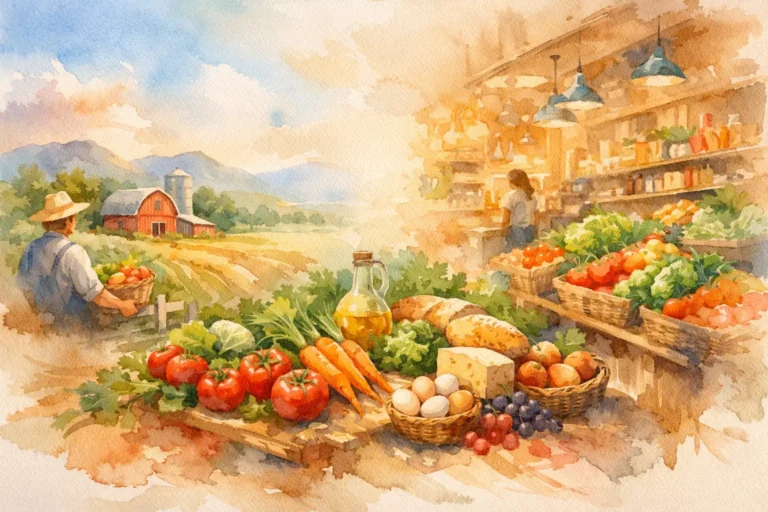
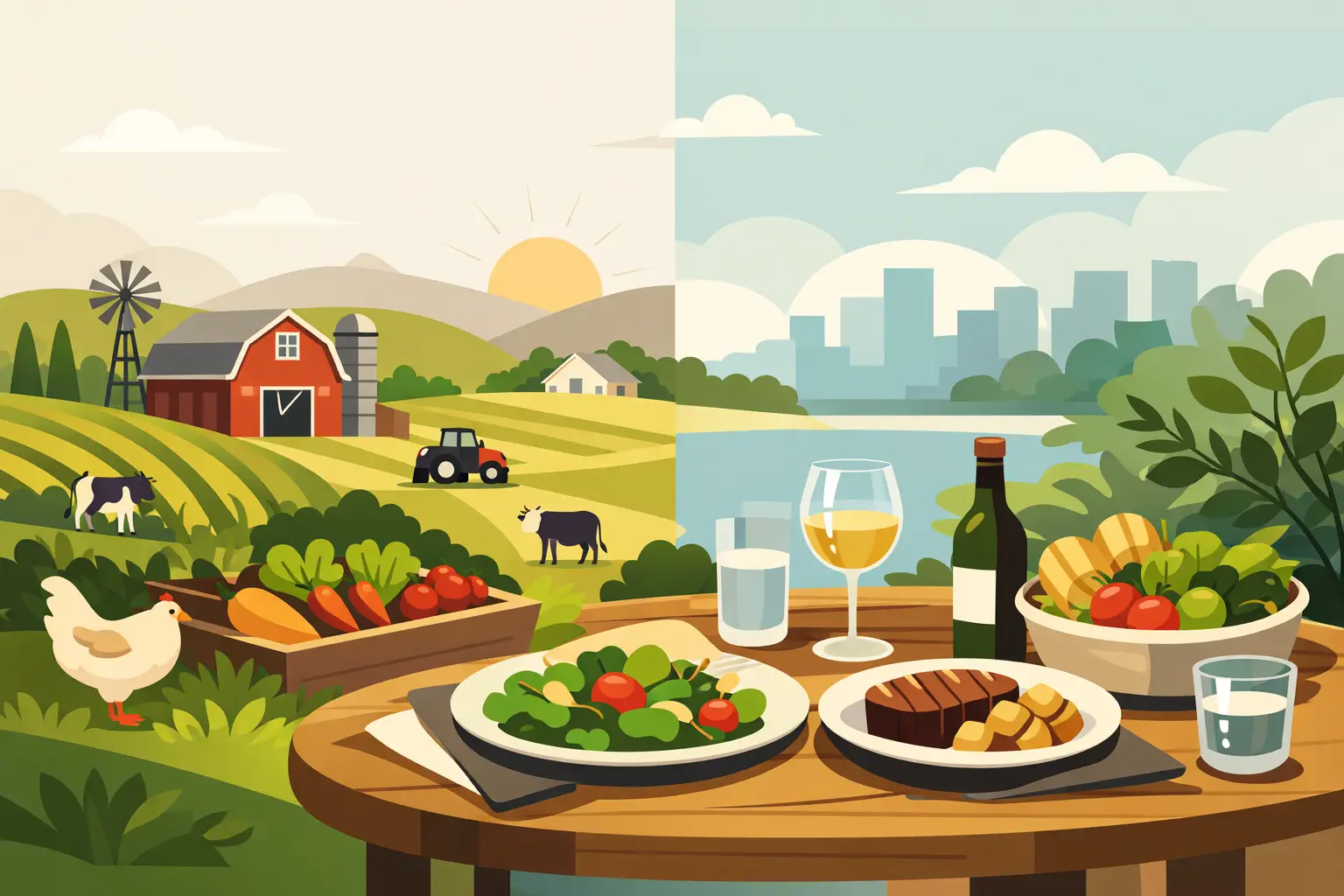
Farm to table food is food that moves from the farm or producer to the customer with fewer middlemen, less storage time and a clearer line of sight on where it came from. Sometimes that means buying directly from a farmer. Sometimes it means ordering through a platform that works closely with local growers and makers, then delivers to your door.
The core idea is freshness and transparency. Instead of produce travelling through a long supply chain, sitting in depots and distribution centres, then reaching a supermarket shelf days or weeks later, farm to table aims to keep that journey shorter and more direct.
That matters because food quality is not only about how something looks when you buy it. It is about how recently it was picked, how well it was handled, how long it spent in transit and whether the people producing it are being treated fairly.
How farm to table food works in real life
In practice, farm to table is not one fixed model. A family might collect eggs and vegetables from a local farm shop. A restaurant might build menus around nearby seasonal suppliers. An online marketplace might bring together fresh vegetables, pantry staples, drinks and household essentials from trusted producers so customers can do a proper weekly shop without making extra trips.
What these models share is a shorter chain from source to customer. That shorter chain often means better produce rotation, less waste and more confidence about what you are buying.
It also changes the relationship between buyer and seller. In a conventional retail setup, the producer can become invisible. With farm to table, the source matters. Customers care who grew the food, where it came from and how it was produced. Farmers and small producers, in turn, gain better visibility and a more direct route to demand.
Why people choose farm to table food
For most households, the appeal is practical rather than idealistic. People want food that stays fresh longer, tastes better and feels worth the money. That is where farm to table food often stands out.
Freshness is the obvious advantage. When vegetables are harvested closer to delivery time, they usually arrive with better texture, flavour and shelf life. That can make a visible difference to a weekly shop, especially for families trying to plan meals and avoid waste.
Value matters too. Farm to table is sometimes misunderstood as a premium-only option, but that depends on how the supply chain is set up. A more direct route can reduce some of the costs built into traditional retail, particularly where platforms work efficiently with growers and deliver in established local areas. Customers are not only paying for a label – they are paying for food that has spent less time sitting around.
There is also trust. Many shoppers are tired of vague sourcing, inconsistent quality and shelves full of produce that can feel interchangeable. Farm to table offers a clearer answer to a simple question: where did this come from?
Is farm to table always local?
Often, but not always. Local sourcing is a big part of the farm to table idea because shorter distances usually support freshness and reduce unnecessary handling. But local on its own does not guarantee quality, and farm to table does not mean every item comes from a farm ten minutes away.
Some goods, especially pantry products or specialist items, may still come through carefully selected producers outside your immediate area. What matters more is the principle behind the sourcing – direct relationships, fewer unnecessary stops and better visibility across the chain.
That is worth keeping in mind if you are shopping for more than just fruit and veg. A realistic modern household shop includes staples, drinks, babycare, body care and other essentials. A strong farm-to-door model can support that broader basket while still keeping freshness and fairness at the centre.
What farm to table food is not
The phrase gets used loosely, so it helps to clear up a few misconceptions. Farm to table does not automatically mean organic. There can be overlap, but they are not the same thing. Organic refers to specific production standards. Farm to table refers to how food moves from producer to customer.
It also does not automatically mean small-scale or hand-packed in every case. Some farm to table businesses use technology, delivery planning and coordinated supplier networks to serve more households efficiently. That does not make the model less authentic. If anything, it can make fresh food easier to buy regularly rather than only as an occasional treat.
And it does not mean every product is untouched by logistics. Even direct sourcing needs transport, storage and ordering systems. The difference is that the chain is designed to be shorter, clearer and more efficient.
The trade-offs to know about
Farm to table food has real strengths, but it is not magic. The biggest trade-off is seasonality. If you want everything available all year in exactly the same form, the model can feel more limited than a large supermarket. Availability may shift with weather, harvest cycles and local supply.
That said, many shoppers see this as a benefit once they get used to it. Seasonal buying often brings better flavour and better prices when produce is naturally abundant. It can also encourage more varied cooking instead of buying the same tired options every week.
Another trade-off is convenience, although this depends heavily on the platform. Buying directly from several separate farms can be time-consuming. That is why curated online marketplaces matter. They bring the convenience of one basket and one delivery window to a sourcing model that would otherwise be harder for busy households to manage.
Price can vary too. Some items may be cheaper, some may be comparable and some may cost more than mass-market alternatives. The sensible comparison is not only shelf price. It is also quality, shelf life, waste reduction and whether the food actually gets eaten.
How to spot genuine farm to table food
Not every product marketed with rustic language is genuinely farm to table. A good starting point is transparency. Can the seller clearly explain where products come from and who supplies them? Is there evidence of direct relationships with farmers and producers rather than vague marketing claims?
It also helps to look at freshness signals. Are products delivered on a regular schedule that supports quick turnaround? Is the selection built around produce and goods that make sense for the season and region? Does the business feel like it is moving food efficiently, or simply dressing up a standard retail model with farm language?
For online shoppers, trust also comes from practical details. Clear prices, dependable delivery, simple ordering and a range that supports real weekly shopping all matter. Fresh food only works for busy households if it is easy to buy again.
Why this matters beyond your basket
When people ask what is farm to table food, they are often really asking whether there is a better way to shop. The answer is yes – but only if the system works for everyday life, not just for special occasions.
A shorter food chain can help farmers keep more value from what they grow. It can reduce waste caused by over-handling and long storage. It can give customers better produce with less guesswork. And it can make local food systems stronger by connecting demand with suppliers who might otherwise be shut out by larger retail structures.
That is one reason platforms like Yild are gaining attention. They take the basic promise of farm to table and make it practical for households that need more than a weekend market. Fresh produce, everyday essentials, straightforward ordering and regular delivery belong in the same conversation if the goal is to build a smarter food chain.
So, is farm to table food worth it?
For many shoppers, yes – especially if freshness, flavour, transparency and value matter more than endless shelf choice. The best version of farm to table food is not about making grocery shopping feel complicated or worthy. It is about making it better.
When food comes through a shorter, clearer route, you can often taste the difference, store it for longer and feel more confident about where your money is going. And if your weekly shop can support both your household and the people producing your food, that is not a trend. That is a smarter habit worth keeping.