You can usually tell the difference before you even cook. A tomato that lasts, spinach that still looks lively two days later, eggs that taste like eggs – that is often what people are really looking for when they search for a farm to table grocery store. They are not chasing a trend. They want weekly shopping that feels fresher, makes more sense, and does not require a trip to three different shops just to eat well.
That is where the model stands out. A genuine farm-to-table approach shortens the journey between grower and home. Fewer middle steps can mean better freshness, clearer sourcing, and a more reliable way to fill the fridge with food you actually want to use. For busy households, that matters just as much as price.
What a farm to table grocery store actually means
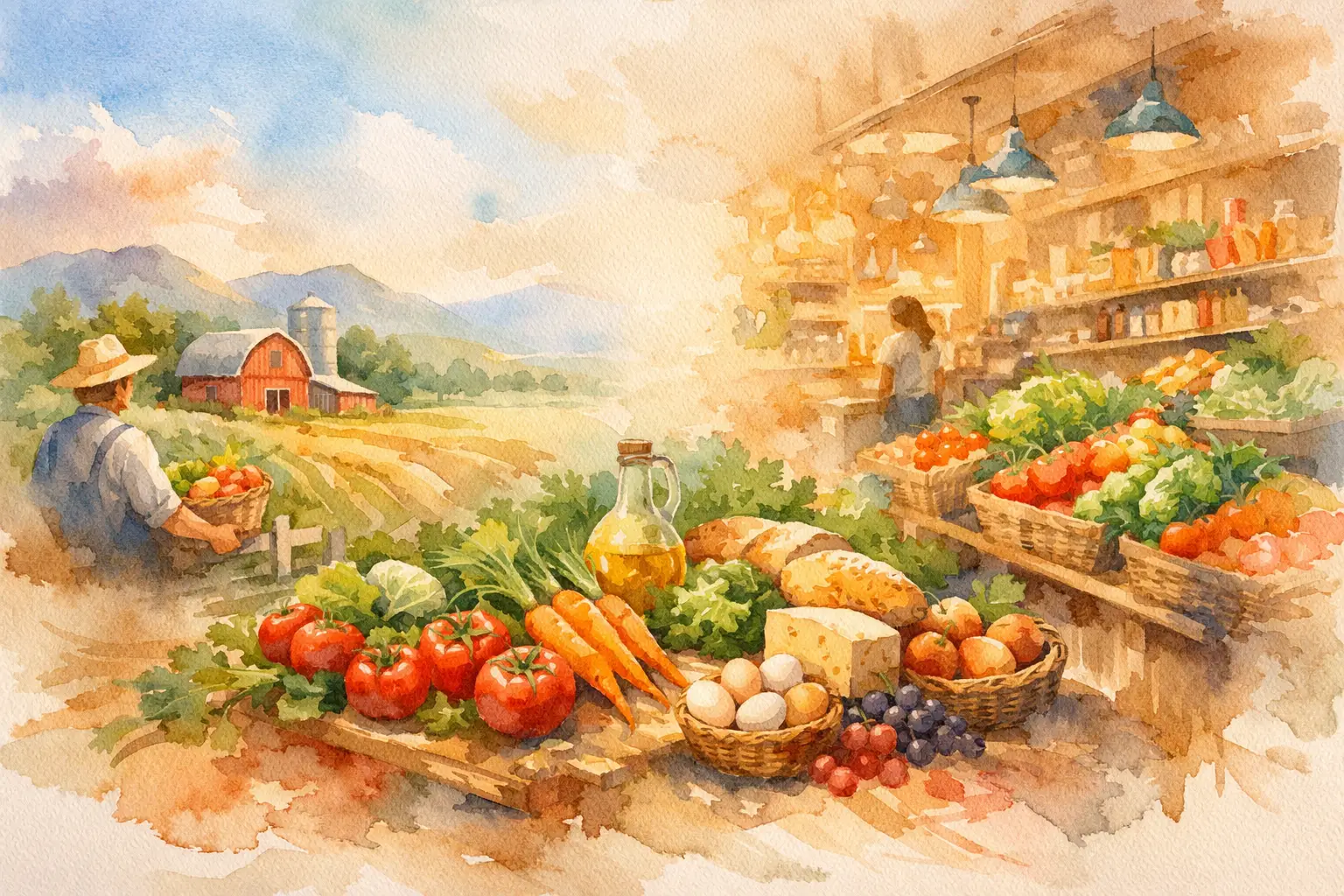
At its best, a farm to table grocery store is not simply a shop that uses rustic branding and stocks a few local carrots. It is a grocery model built around direct sourcing from farmers and food producers, with a clear route from where food is grown or made to where customers buy it.
That direct route changes more than the label. Produce can spend less time in storage and transit. Farmers get better visibility for what they grow. Shoppers get more confidence about what they are buying and where it came from. When the system works well, it is better for freshness and fairer for the people producing the food.
There is a practical side to this too. Most people do not want to build their weekly shop around ideals alone. They want salad, fruit, pantry staples, drinks, household basics, and often baby or body care in one order. A modern farm-to-table grocery store has to meet that real need. If it only solves produce and leaves everything else to another retailer, it is only doing half the job.
Why more households are switching from supermarkets
The main reason is simple: consistency. Shoppers are tired of buying fruit that softens too fast, herbs that go limp by the next day, or vegetables that look fine on the shelf but disappoint at home. Freshness is not a luxury when you are planning meals for the week. It affects waste, taste, and value.
The second reason is trust. Conventional grocery retail can make sourcing feel distant and vague. A farm to table grocery store gives people a stronger sense of who is behind the food. That matters to health-conscious shoppers, but it also matters to families trying to make sensible choices without overthinking every item in the basket.
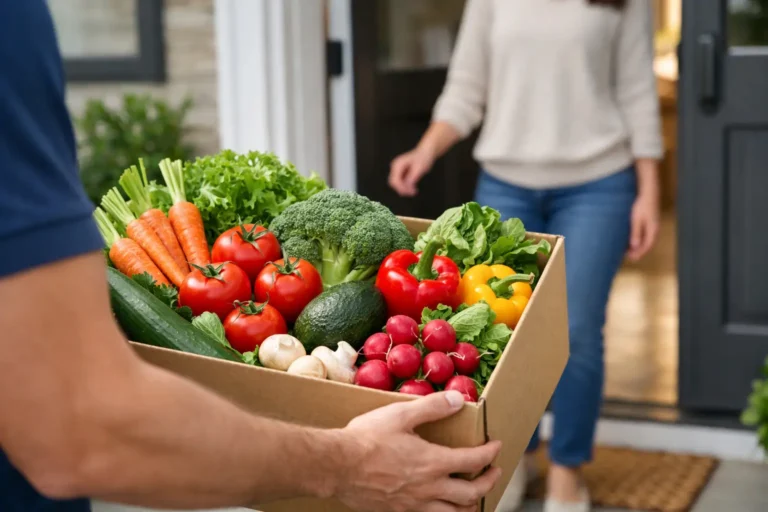
Then there is convenience. Local sourcing used to mean separate farm shops, awkward opening hours, and more driving. Online ordering has changed that. The strongest farm-to-door platforms now combine direct-from-source produce with everyday essentials and regular delivery, so customers get the benefit of local food without adding friction to the week.
Freshness is not just about taste
Fresh food does taste better, but that is only part of the value. It also tends to hold up better at home. When vegetables stay usable for longer, you throw less away. When berries arrive in good condition, they are more likely to end up in lunches rather than in the bin. That is a financial win as much as a food win.
Freshness can also make healthy eating easier. Families are far more likely to cook what they have if the ingredients still look appealing by midweek. That may sound obvious, but it is one of the most common barriers to better eating at home. Good intentions disappear quickly when the produce drawer looks tired by Tuesday.
This is why direct sourcing matters. The shorter and clearer the chain, the better the chance that what lands on your doorstep still has real life in it.
Fair prices matter just as much as provenance
There is a common assumption that anything farm-direct must be expensive. Sometimes it is. But that depends on how the store is built. If a platform is organised well, keeps operations lean, and works closely with farmers and producers, it can offer strong value rather than charging a premium for the story.
That is a key test for any farm to table grocery store. It should not only sell the idea of better food. It should make that food practical for ordinary weekly budgets. Promotional pricing, seasonal buying, mixed baskets, and direct relationships with suppliers all help keep prices fair.
There is also a hidden value point that shoppers notice fast: less waste. If food lasts longer and gets used properly, the real cost per meal can be lower even if some individual items are priced differently from a supermarket equivalent.
The best farm to table grocery store is built for a full weekly shop
Many shoppers love the idea of buying direct from farms, but they do not want to patch together orders from multiple places. Convenience still matters. If you are managing meals, snacks, lunchboxes, drinks, and household basics, one reliable order beats a worthy but complicated shopping routine.
That is why the strongest grocery platforms go beyond fruit and veg. They add pantry goods, beverages, desserts, babycare products, body care, and selected household essentials. This broader range turns a specialist concept into a practical service.
For customers, that means fewer compromises. You can choose fresh produce with confidence and still cover the rest of the week in the same basket. For local producers, it creates a bigger and more sustainable route to market. And for families, it saves time, which is often the scarcest thing in the house.
What to look for when choosing a farm to table grocery store
The first thing to check is sourcing clarity. A good platform should make it easy to understand that food is coming from local farmers and trusted producers, not simply being rebadged with farm language.
The second is delivery reliability. Fresh food only works if the logistics work. Clear delivery windows, regular weekly service, and straightforward communication matter as much as the sourcing itself. There is little point ordering beautiful produce if the process around it is uncertain.
The third is range. If the store helps you buy only half your essentials, it may still be useful, but it will not fully replace a supermarket shop. For many households, the sweet spot is a platform that combines freshness with enough breadth to support normal life.
Finally, look at pricing style. Fair and affordable should mean exactly that. You should be able to spot offers, compare options, and build a basket without feeling that every healthy choice comes with a penalty.
Why technology is changing local food shopping
This is where the model becomes more than a digital version of a farm shop. Technology makes it easier to connect growers and customers directly, manage ordering efficiently, and keep supply closer to real demand. That can reduce waste, improve availability, and help producers sell more of what they grow.
It also gives customers a simpler experience. Instead of chasing freshness across supermarkets, markets, and specialist stores, they can order online in minutes and get a curated range delivered. That is a major reason platforms such as Yild are gaining traction. They take the principles people already care about – freshness, fairness, local sourcing – and package them in a way that fits modern shopping habits.
There are trade-offs, of course. Seasonal availability can vary. A direct-sourcing model may not always offer the same year-round uniformity as a national chain. But for many shoppers, that is a fair exchange for better quality, clearer provenance, and a food system that feels less wasteful and more honest.
A better way to shop, if it fits your week
A farm to table grocery store is not better because it sounds wholesome. It is better when it makes everyday shopping easier, fresher, and fairer. That means produce with real shelf life, prices that work for family budgets, delivery you can count on, and enough range to cover more than a token healthy shop.
For households that care about what they eat but also need convenience, that balance is the whole point. If your weekly shop can support local growers, reduce waste, and still arrive at your door with the basics sorted, that is not a niche upgrade. It is simply a smarter way to buy food.