
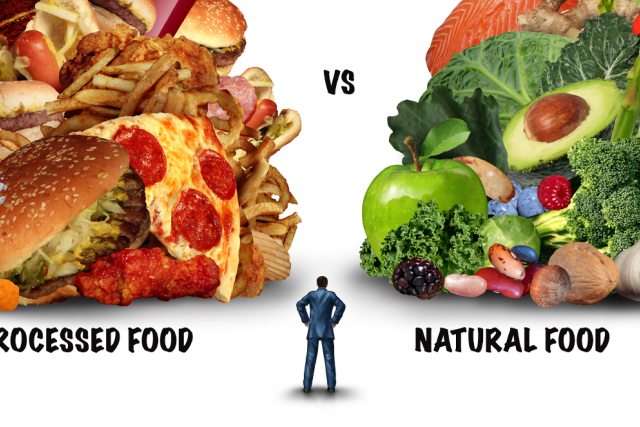
Ultra-Processed Foods: A “Global Public Health Threat”
In late 2025, a series of papers published in The Lancet warned that ultra-processed foods pose a serious and growing threat to public health worldwide. Researchers found that a diet high in UPFs is linked to 12 different health conditions, including obesity, cardiovascular disease, type 2 diabetes, and certain cancers. Countries are already taking action — Brazil’s national school feeding program has eliminated most UPFs and will require 90% of food to be fresh or minimally processed by law.
New Dietary Guidelines Finally Name the Problem
In January 2026, the U.S. federal dietary guidelines — the nation’s official nutrition blueprint — explicitly urged Americans to eat fewer “highly processed” foods. Analysts called this a watershed moment, as it marks the first time the government has positioned processed food reduction as central to public health.
Heart Attacks and Strokes Linked Directly to Processed Food
Perhaps the most startling finding of 2026 came from a February study showing that people who consume high levels of ultra-processed foods face a 47% higher risk of heart attack and stroke. With cardiovascular disease already the leading cause of death in the United States, this is a risk no one can afford to ignore.
What Makes Ultra-Processed Food So Dangerous?
Ultra-processed foods aren’t just “junk food.” They are industrially manufactured products stripped of fiber, loaded with refined sugars, unhealthy fats, chemical additives, and preservatives. They are engineered to be hyper-palatable — meaning they trigger the same reward centers in your brain as addictive substances, making you crave more even when you’re full.
The result is a cascade of damage: overeating, metabolic dysfunction, chronic inflammation, and long-term disease. And because these foods are cheap, convenient, and everywhere, they have become the default diet for millions.
Why Organic Food Is the Answer
In light of this news, many people are asking: What should I eat instead? The answer, increasingly, is organic, whole foods.
Fewer Pesticides, Fewer Toxins
Organic food is grown without synthetic pesticides, herbicides, or fertilizers. Comprehensive reviews confirm that organic produce contains significantly lower levels of pesticide residues and nitrates. When you cut out ultra-processed food and replace it with organic whole food, you remove two layers of chemical exposure at once.
Higher Nutritional Quality
Multiple studies have found that organic foods are richer in vitamin C, iron, magnesium, and phosphorus. They also contain higher levels of antioxidants — compounds that help fight the cellular damage linked to chronic disease and aging.
Lower Rates of Obesity, Diabetes, and Cancer
A growing body of evidence links organic food consumption with better long-term health outcomes. Research has found associations between higher organic food intake and lower rates of obesity, type 2 diabetes, and certain cancers — including non-Hodgkin lymphoma. People who eat more organic food also tend to have lower BMIs and reduced inflammation markers.
No GMOs, No Antibiotics, No Synthetic Hormones
Organic standards prohibit genetically modified organisms, routine antibiotics, and growth hormones. For meat and dairy, this means animals are raised on organic feed with access to pasture — producing food that is cleaner for you and better for the planet.
Better for the Environment, Too
Beyond personal health, organic farming practices improve soil health, protect water quality, and support biodiversity. Choosing organic isn’t just a vote for your own wellbeing — it’s a vote for a food system that doesn’t rely on chemical-intensive agriculture.