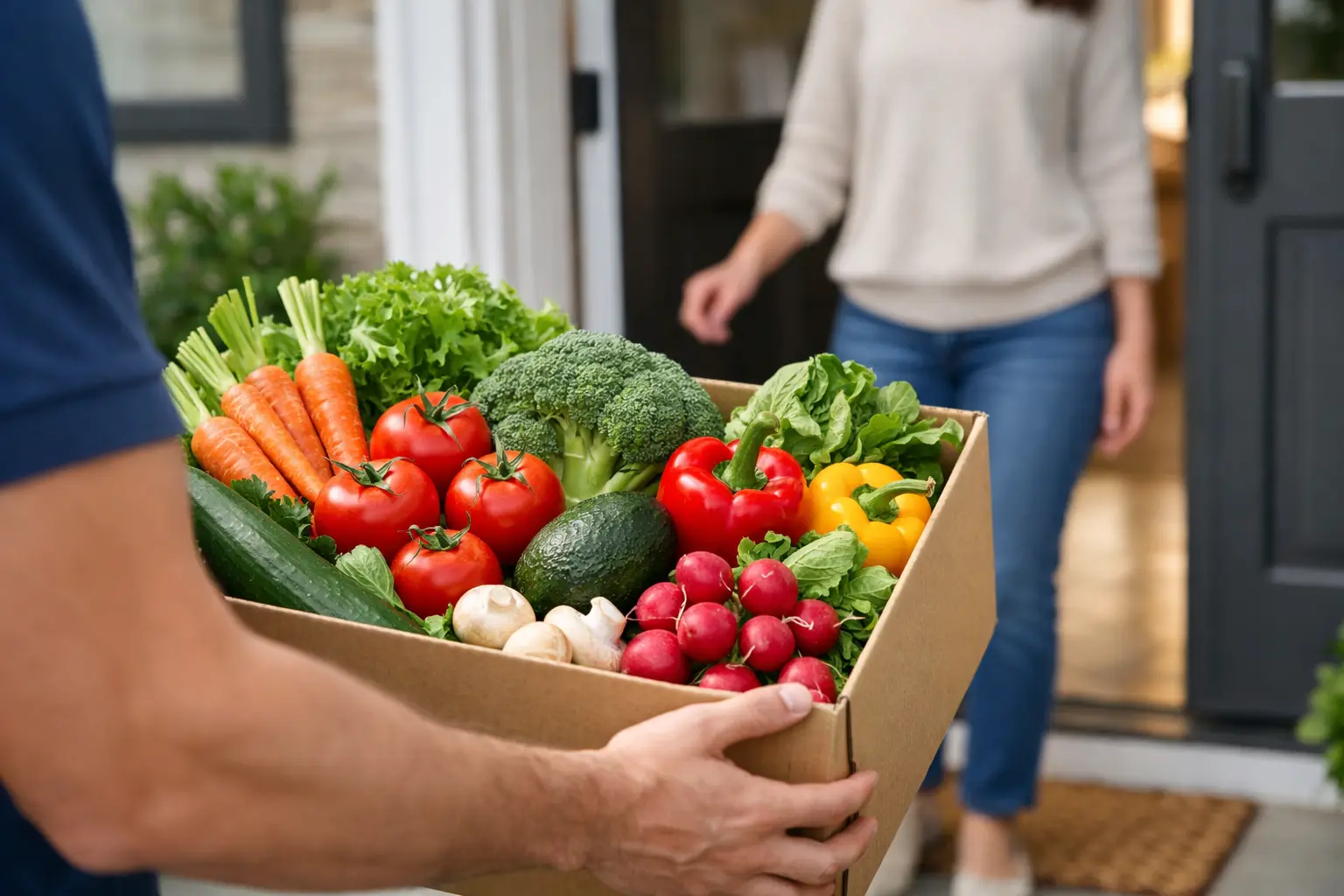
By Wednesday evening, most fridges tell the truth. The spinach has gone limp, the tomatoes are soft, and the plan to cook properly all week is starting to look optimistic. That is exactly why fresh vegetables delivered to your door has become a smarter way to shop. It takes the guesswork out of quality, saves time on weekly errands, and makes it much easier to keep the house stocked with food you actually want to eat.
For busy households, convenience only matters if the produce is genuinely worth buying. No one wants a box that looks good on arrival but fades after a day or two. The real value in a better grocery service is simple – vegetables that are fresher, reasonably priced, and sourced in a way that feels more transparent than a standard supermarket shelf.
Why fresh vegetables delivered to your door works
The biggest benefit is not just avoiding the shop. It is getting produce that has spent less time sitting in storage, on display, and in transit. When vegetables come through a shorter supply chain, they tend to arrive with better texture, stronger flavour, and a longer useful life in your kitchen.
That matters whether you are planning school lunches, midweek dinners, or trying to stop food waste from building up in the salad drawer. Fresher produce gives you more flexibility. You are not forced to cook everything immediately because it is already close to turning.
There is also a practical budgeting benefit. When quality is consistent, you throw away less. That changes the real cost of your shop. A cheaper bag of vegetables is not much of a saving if half of it ends up in the bin two days later.
For many families, delivery also removes the friction of shopping across multiple places. You may need vegetables, fruit, cupboard staples, drinks, babycare items, and a few household essentials in one go. Having that covered through one order is a much better fit for real life than trying to squeeze in a supermarket run after work.
What makes delivered vegetables feel fresher
Freshness is often talked about as if it is just marketing, but there are clear reasons why some produce performs better than others. Time from harvest is one factor. How often stock is replenished is another. The number of handling points matters too. The more stages between grower and customer, the more chances there are for quality to drop.
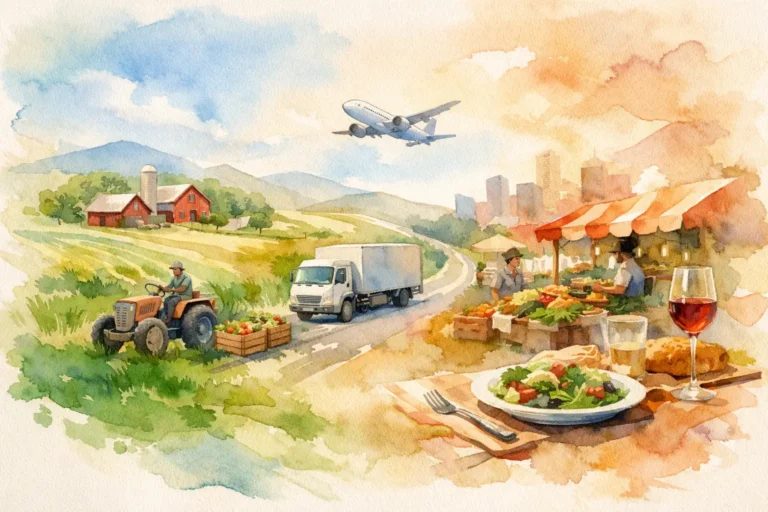
A farm-to-door model improves this because it shortens the route. Instead of produce disappearing into a broad retail system, it moves through a more direct network built around actual demand. That helps growers sell more effectively and helps customers receive food with less unnecessary delay.
There is a knock-on benefit for range as well. When sourcing is closer to the source, you are more likely to find produce that feels selected for eating quality rather than shelf performance alone. That can mean better seasonal vegetables, more reliable staples, and less of the bland uniformity people have come to expect from conventional grocery shopping.
Fresh vegetables delivered to your door for busy households
If you manage the weekly shop for a family, you are not looking for a food philosophy. You are looking for a service that saves time, keeps everyone fed, and does not create extra hassle. That is where delivery earns its place.
Ordering online makes it easier to shop with a plan. You can see what you need, add the basics, and avoid the extra spend that often creeps in when you are walking through aisles in a rush. It is a more controlled way to buy food, especially if you are balancing meals, snacks, packed lunches, and the usual last-minute household needs.
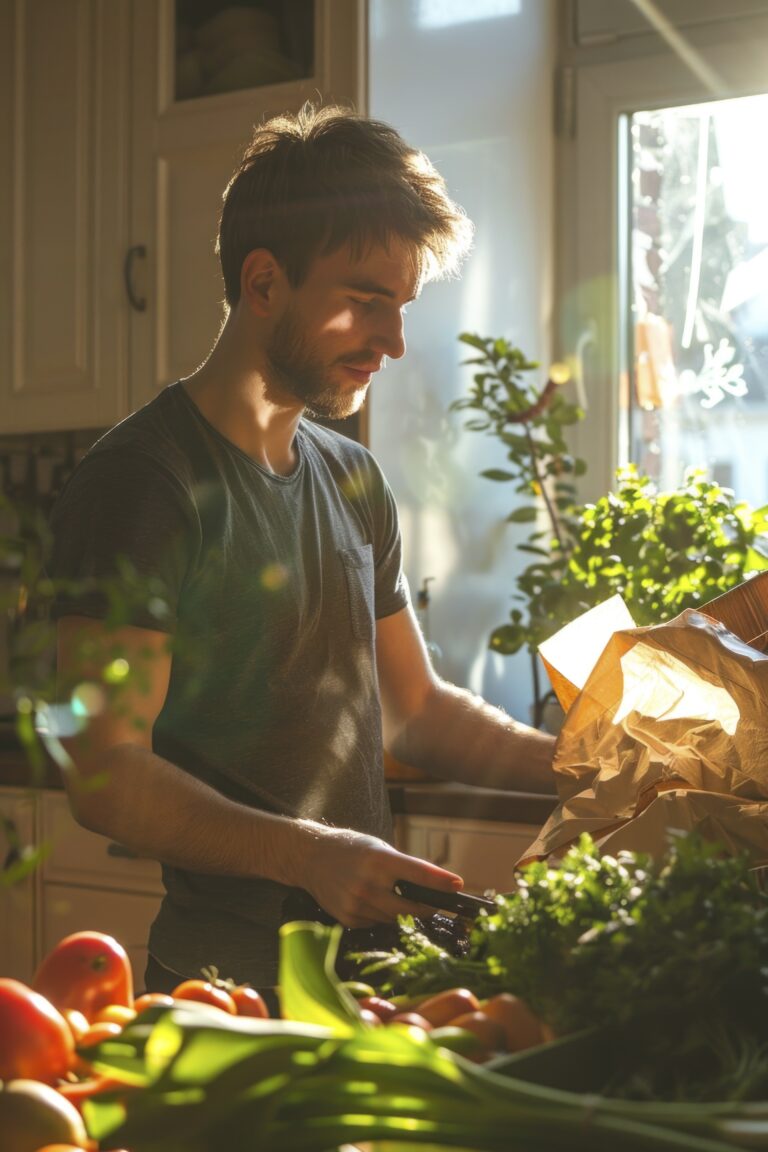
It also suits people who want to eat better without turning meal planning into a project. When good vegetables are already in the house, healthy choices become easier by default. You are more likely to cook a quick traybake, make soup, or throw together a proper lunch when the ingredients are there and still fresh.
For parents, there is another advantage. Combining produce with wider everyday essentials cuts down the number of separate shops you need to do. That matters when time is tight and convenience is not a luxury but a requirement.
What to look for in a good service
Not every delivery option gets the balance right. Some focus on premium presentation but overlook value. Others offer low prices but do not inspire much confidence on quality. The best option sits in the middle – fresh produce, fair pricing, clear delivery, and a range broad enough to support a real weekly shop.
Look for straightforward information on sourcing and delivery schedules. Weekly delivery can work very well for households that like a routine, but only if expectations are clear. You should know when your order is coming and what kind of freshness standard to expect.
Range matters more than people think. A produce order is useful, but a shop that also covers pantry staples, beverages, desserts, babycare products, body care, and selected household essentials is far more practical. It turns a produce purchase into a genuine grocery solution.
Price transparency is another sign of a strong retailer. If offers are clear and everyday pricing feels fair, trust grows quickly. Customers do not want hidden costs or confusing promotions. They want to know what they are paying and feel that the quality justifies it.
The trade-off with supermarket shopping
Supermarkets still work for many people, and that is worth saying plainly. If you need something at very short notice or want to browse a huge range in person, a large store can be convenient. There is no need to pretend otherwise.
But the trade-off is usually consistency and connection. Produce may have travelled further, spent longer in the system, and been selected with a different priority in mind. You also get less visibility into where food comes from and who benefits most from the sale.
A more direct marketplace model shifts that balance. Customers get better access to fresh produce and local food producers gain a clearer route to market. That is good for freshness, but it also supports a fairer supply chain. Less waste, better grower visibility, and a more sensible path from farm to kitchen is not just a nice extra. It is a better way to build food retail.
How to make the most of weekly delivery
A good order starts with realism. Buy for the week you are actually going to have, not the week you wish you had. If you know Wednesday is busy, choose vegetables that can handle a simple meal. If weekends are when you cook more, add items with that in mind.
It helps to mix quick-use produce with longer-lasting staples. Leafy greens, tomatoes, and herbs are brilliant early in the week. Carrots, potatoes, onions, cauliflower, and cabbage give you more flexibility later on. That balance reduces waste and keeps your options open.
Think in terms of overlap as well. One delivery can support packed lunches, pasta sauces, soups, stir-fries, roast dinners, and snack plates if you choose well. You do not need a complicated system. You just need produce that is fresh enough to stay useful across several meals.
For many shoppers, this is where a platform like Yild makes sense. The model is practical: fresh farm produce delivered straight to your door, supported by everyday essentials and a supply chain that works better for farmers and households alike.
A better standard for everyday groceries
People often treat fresh food delivery as an upgrade or a specialist choice. In reality, it should feel like common sense. If the vegetables are fresher, the ordering is simpler, and the prices are fair, then delivery is not an indulgence. It is a more efficient way to run the weekly shop.
The best services do not just move groceries from one place to another. They improve how people buy, cook, and eat at home. They remove wasted trips, reduce wasted food, and bring more confidence to everyday purchases.
That is the real appeal of fresh vegetables delivered to your door. It is not only about convenience, though that certainly helps. It is about making fresh food easier to rely on, week after week, so eating well feels less like effort and more like the natural shape of your routine.
When your groceries work harder for your household, everything else gets a bit easier – dinner plans, budgets, and the simple satisfaction of opening the fridge and finding food that is still fresh and ready to use.